what are you looking for?

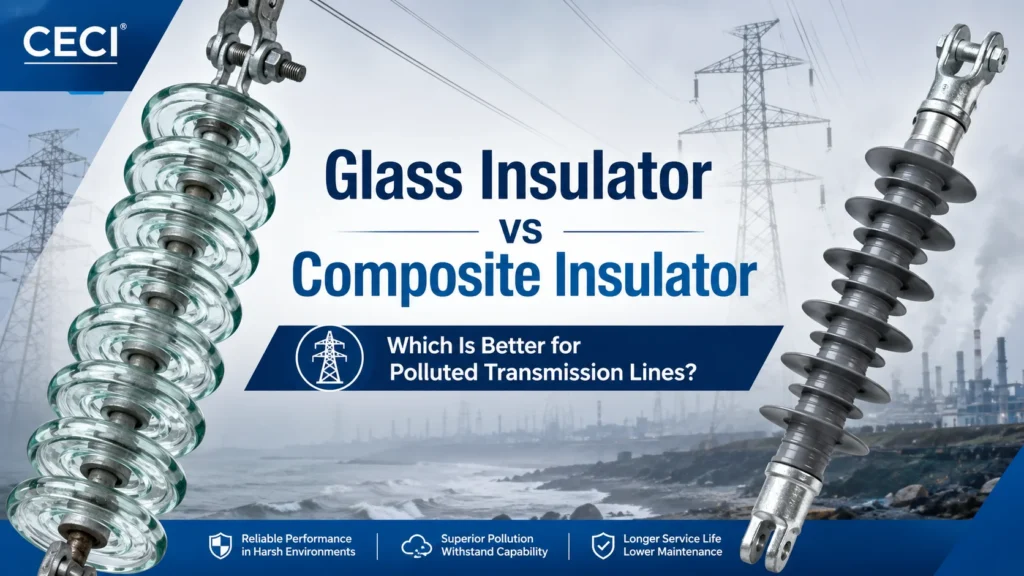
For polluted transmission lines, the right choice between a glass insulator vs composite insulator depends on the pollution type, moisture level, maintenance access, creepage distance, mechanical load, and replacement plan. Composite insulators often suit coastal, industrial, desert, and high-humidity areas because silicone rubber surfaces can provide hydrophobic performance and pollution resistance. Glass insulators still make sense where long-term visual inspection, modular replacement, stable outdoor performance, and known maintenance routines are important.
The practical question is not “Which material is better?” It is “Which insulator is safer and more cost-effective for this line condition?”
In many polluted areas, a composite insulator is attractive when the line needs lighter weight, easier installation, good hydrophobic behavior, and reduced surface wetting risk. For transmission projects where pollution flashover, salt fog, dust, or high humidity are major concerns, composite suspension insulators should be evaluated early, especially if tower access is difficult or washing costs are high.
A glass insulator may still be preferred when the utility values easy visual inspection, familiar string design, replaceable disc units, and stable performance under a well-managed maintenance program. For severe pollution, anti-pollution glass insulators, aerodynamic glass insulators, or RTV-coated glass can also be considered.
| Line condition | Option to evaluate first | Key buying check |
| Coastal salt fog with low rainfall | Composite or RTV-coated glass | Hydrophobicity, creepage distance, corrosion resistance |
| Industrial dust or chemical pollution | Composite or anti-pollution glass | Pollution type, shed profile, maintenance plan |
| Desert dust and wind-blown sand | Aerodynamic glass or composite | Self-cleaning profile, UV exposure, leakage current risk |
| Existing glass string replacement | Confirm both options | Fittings, arcing distance, string length, mechanical load |
| Easy inspection and regular maintenance | Glass or composite | Lifecycle cost, damaged-unit detection, cleaning interval |
Pollution becomes dangerous when dry deposits turn conductive after fog, dew, salt mist, light rain, or high humidity. A contaminated surface can increase leakage current and reduce flashover strength, especially when natural washing is limited. Outdoor high-voltage insulators are shaped to increase creepage length and reduce leakage paths along the surface, making creepage distance a critical parameter in polluted environments.
A polluted transmission line insulator should not be selected by voltage level alone. Engineers and procurement teams should check the pollution severity, local rainfall, line voltage, AC or DC operating condition, tower clearance, and required creepage distance. IEC 60815 is commonly referenced for insulator selection in polluted conditions, and industry guidance also considers profile, creepage, dry arcing distance, and material behavior.
The risk is highest when contamination remains on the shed surface and moisture forms a conductive film. In this case, increasing creepage distance, selecting a better shed profile, improving washing strategy, or changing the insulator material may be necessary. Before purchasing, the buyer should provide the supplier with the operating voltage, pollution level, environmental description, mechanical failing load, arcing distance, fitting type, and any existing product drawing.
Composite insulators are typically made with a fiberglass core rod, silicone rubber sheds, and metal end fittings. They are used in transmission lines, distribution networks, substations, railway systems, industrial power systems, and areas with heavy pollution, salt fog, or high humidity.
Composite insulators are a strong choice when installation weight, pollution resistance, hydrophobic performance, and maintenance burden matter. In coastal transmission lines, industrial zones, desert areas, and high-humidity regions, silicone rubber composite insulators can help reduce surface wetting and contamination-related flashover risk when properly selected.
This option is also suitable when the project requires easier handling, lower transport burden, or replacement of heavy traditional strings. Buyers comparing polymer composite insulators should confirm rated voltage, mechanical failing load, creepage distance, arcing distance, shed diameter, shed spacing, core rod diameter, end fitting type, surface material, and applicable standard requirements. These details may vary by size, line design, voltage class, and operating environment.
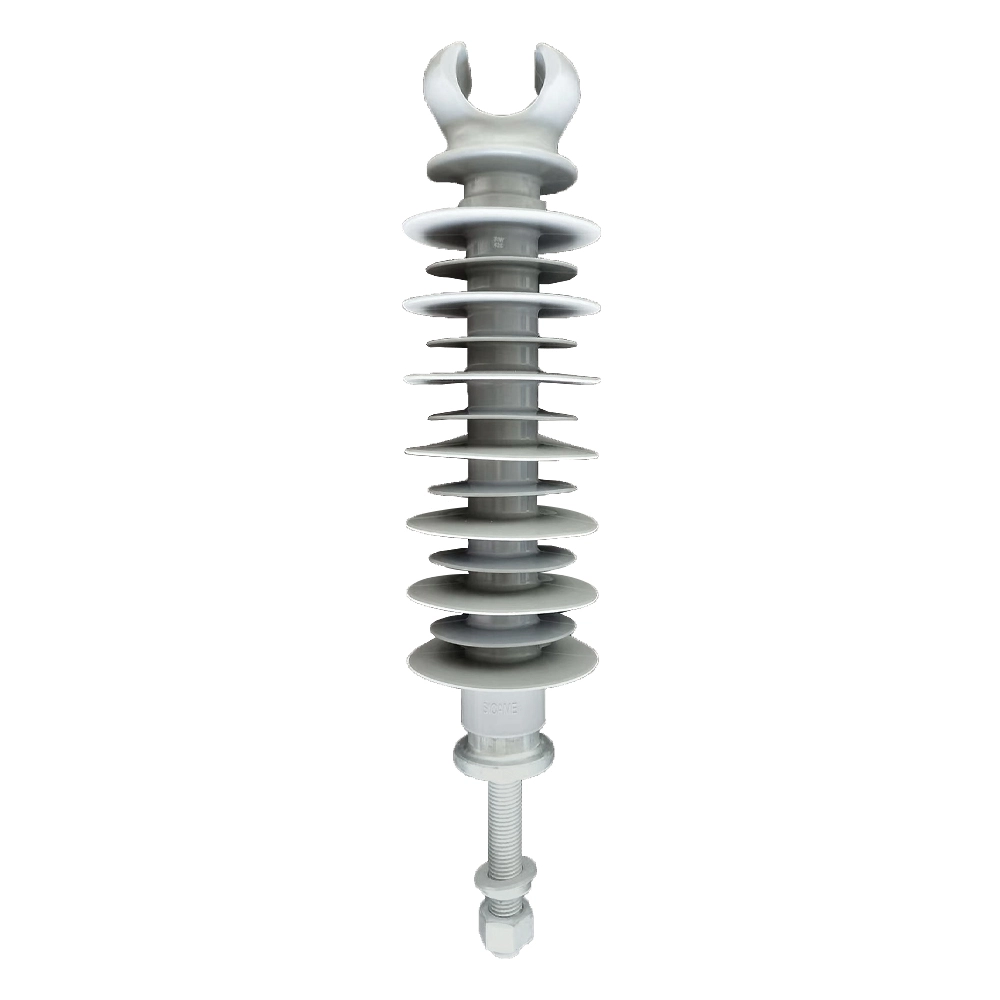
Composite insulators should not be selected only because they are lightweight or marketed as pollution resistant. In severe coastal salinity, high UV exposure, extreme heat, long-term industrial contamination, or difficult inspection areas, the housing material, sealing design, end fitting interface, and tracking or erosion resistance should be reviewed carefully.
Common risks include housing aging, surface erosion, loss of hydrophobicity over time, hidden internal defects, poor sealing, or mechanical mismatch during replacement. The next step is to request product specifications, drawings, standard compliance information, and installation guidance before approving the purchase. For replacement projects, field photos and original string data are especially useful.
Glass insulators are made from toughened glass with metal fittings and are widely used in overhead transmission lines, distribution lines, substations, railway electrification systems, and industrial power networks. Their advantages include stable insulation performance, high mechanical strength, visual inspection convenience, and visible damage identification.
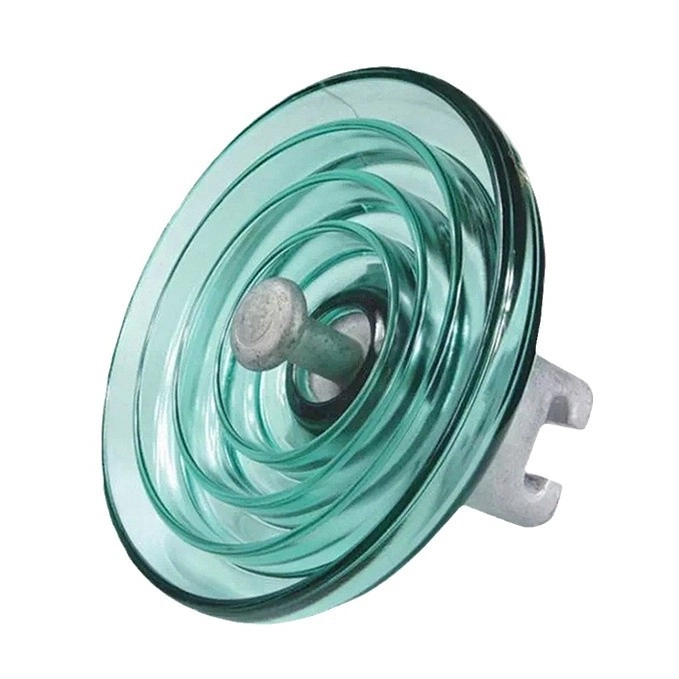
Glass insulators can be suitable when the line owner has established inspection routines, replacement crews are familiar with disc strings, and visual detection of damaged units is valuable. They are also practical for large-scale grid operation where existing line design, fittings, and maintenance procedures are already built around glass suspension strings.
Glass is less suitable when ordinary profiles are exposed to severe pollution, salt fog, or low-rainfall environments without enough creepage distance or cleaning. In polluted areas, buyers should consider pollution resistant glass insulator designs, double umbrella profiles, aerodynamic glass insulators, or other profiles matched to the local contamination type. CECI lists glass suspension insulators, aerodynamic glass insulators, and pollution resistant glass insulator options on its glass insulators product category page.
For very heavy pollution, the decision may not be limited to standard glass or standard composite. RTV-coated glass can be considered when the project needs hydrophobic surface behavior while retaining the inspection and replacement advantages of glass strings. This can be relevant for coastal salt fog, industrial contamination, low natural washing, or critical lines where flashover risk has already caused outages.
RTV-coated glass is not automatically the right answer. Buyers should verify whether the coating is factory-applied or field-applied, how coating condition will be inspected, what maintenance method is acceptable, and whether the expected service environment matches the supplier’s coating recommendation. If coating durability cannot be confirmed, a high-grade composite insulator or anti-pollution glass design may be safer to evaluate.
The most reliable way to choose between glass vs composite insulator designs is to connect the material decision with the operating environment.
For coastal transmission lines, salt fog and moisture are the main concerns. Composite insulators and RTV-coated glass should be evaluated with attention to creepage distance, hydrophobicity, and metal fitting corrosion protection. For industrial pollution, the chemical nature of the deposit matters; dust, cement, fertilizer, smoke, or metallic particles may require different shed profiles and washing plans.
For desert or sand-heavy regions, aerodynamic glass can help reduce dust accumulation on the lower surface in some designs, while composite insulators may help where hydrophobic performance and installation weight are priorities. In high-humidity or biological contamination areas, the housing material, inspection interval, and leakage current behavior should be checked. For existing glass line replacement, the buyer should not order composite units until string length, dry arcing distance, tower clearance, fittings, and mechanical failing load are confirmed.
Replacing glass insulators with composite insulators can reduce weight and simplify handling, but it is not a one-to-one material swap. The new unit must match the electrical and mechanical requirements of the line. Procurement teams should confirm rated voltage, mechanical load, creepage distance, arcing distance, end fitting type, tower clearance, conductor hardware, grading ring requirements, and the actual pollution environment.
If the original glass string has performed well except under occasional severe contamination, anti-pollution glass or coated glass may also be worth reviewing. If the line has frequent washing costs, flashover history, difficult access, or salt fog exposure, composite insulators may deserve stronger consideration.
A qualified supplier should help buyers compare product suitability by application, not only by unit price. Before sending an RFQ, prepare the voltage level, mechanical failing load, creepage distance requirement, arcing distance, fitting type, line environment, standard requirement, existing product model, drawings, photos, quantity, and delivery destination.
China Energy and Chemical Industry Co., Ltd. focuses on composite insulators, glass insulators, and power line fittings, with product manufacturing controls that include First Article Inspection before batch production and re-validation when processes, molds, materials, or equipment change.
Buyers can review company background through CECI high voltage insulator manufacturer and then submit project details through contact CECI for insulator RFQ for application-based product discussion.
For polluted transmission lines, composite insulators are often a strong option when hydrophobic performance, lighter installation, and reduced maintenance burden are important. Glass insulators remain valuable when visual inspection, existing string compatibility, and long-term maintenance familiarity matter. In severe pollution, anti-pollution glass, aerodynamic glass, RTV-coated glass, and high-grade composite options should be compared against the actual operating environment.
Before selecting a supplier or replacement product, prepare the rated voltage, mechanical load, creepage distance, arcing distance, fitting type, pollution condition, application photos, drawings, target quantity, and any known flashover or maintenance history. This helps the supplier recommend a more suitable glass, composite, or coated solution without relying on guesswork.
A: Composite insulators can be better in many polluted areas because silicone rubber housing may provide hydrophobic performance and pollution resistance. However, the final choice depends on pollution severity, UV exposure, mechanical load, creepage distance, inspection access, and long-term maintenance strategy.
A: Yes, glass insulators can be used in coastal transmission lines when the profile, creepage distance, maintenance plan, and corrosion protection are suitable. For heavy salt fog or low rainfall, pollution resistant glass insulators, RTV-coated glass, or composite insulators should also be evaluated.
A: Start with the operating voltage, pollution type, rainfall, humidity, mechanical load, required creepage distance, arcing distance, and fitting type. Then compare glass, composite, and coated options by lifecycle risk, inspection method, maintenance access, and replacement compatibility.
A: Glass insulators may be replaced with composite insulators when weight, installation difficulty, pollution flashover risk, washing cost, or maintenance access becomes a serious problem. The replacement should be checked against string length, mechanical load, creepage distance, dry arcing distance, fittings, and tower clearance.
A: Send the voltage level, system type, mechanical failing load, required creepage distance, arcing distance, fitting type, pollution environment, photos, drawings, existing model, quantity, destination, and any flashover or maintenance issue. These details help the supplier recommend a suitable composite insulator, glass insulator, or pollution resistant alternative.

 Room 1502, NO.12, Shangwu Waihuan Road, CBD, Zhengzhou, China
 +86-18937178812
 sales@gridinsulators.com


 October 15, 2026