what are you looking for?


Coastal transmission lines expose insulation systems to salt fog, humidity, wind-driven deposits, sunlight, and repeated wetting. A polymer insulator can fit this environment, but the purchase decision should connect site severity to creepage distance, shed profile, hydrophobic performance, mechanical load, end fittings, and inspection records. Why Coastal Projects Need a Detailed Polymer Insulator Specification Salt deposited on an insulator surface can become conductive when wet. Leakage current and dry-band activity depend on contamination, moisture, rainfall, wind, surface condition, geometry, and the available leakage path. A silicone rubber housing may provide hydrophobic behavior, but the design still has to match voltage, …
View More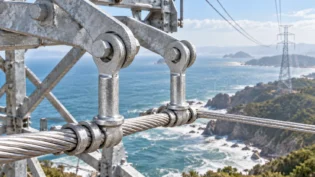
For a coastal transmission project, writing “hot-dip galvanized line fittings” on an RFQ is not enough. Salt-laden moisture can attack steel, threads, joints, and interfaces in different ways. A usable RFQ must define the environment, steel or fitting material, galvanizing route, coating acceptance, fabrication details, mating hardware, inspection records, and change controls. This guide turns those corrosion concerns into fields a supplier can quote and an engineer can approve. Why Coastal RFQs Need More Than a Galvanized Material Note Line fittings carry mechanical loads and connect conductors, insulators, clamps, structures, and protective hardware. In a marine or salt-fog corridor, the …
View More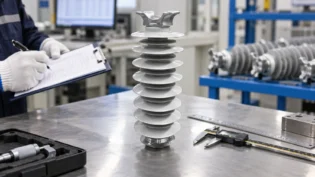
A first article inspection (FAI) is the approval point between an approved design and repeatable production. For composite insulators, the first unit or representative sample must show that the fiberglass core, silicone rubber housing, sheds, metal end fittings, dimensions, and manufacturing route work together as specified. Approval gives engineering, quality, and procurement teams a basis for releasing the batch and a trigger for re-validation when the process changes. Why FAI Matters for Composite Insulators Composite insulators combine electrical insulation with a mechanical load path. The core rod carries tensile or bending loads, the polymer housing provides the weathering and hydrophobic …
View More
An aerodynamic glass insulator addresses a specific contamination problem: dry dust and sand collecting on suspension insulators in exposed, low-rainfall locations. Its open profile gives wind more access to the lower surface and reduces recessed areas where loose particles may settle. It can therefore suit desert transmission lines and other dry, wind-dominated routes. It is not a universal answer for salt fog, damp industrial deposits, mechanical wind loading, or every pollution-related flashover. Selection must connect the contaminant, weather pattern, insulator dimensions, system requirements, and replacement constraints. When Is an Aerodynamic Glass Insulator the Right Choice? Site Conditions That Support an …
View More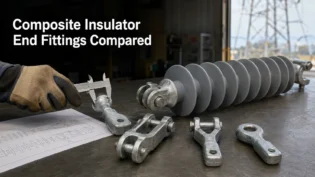
Selecting composite insulator end fittings is not simply a matter of choosing a familiar connection name. The fitting must match the adjacent line hardware, mechanical load requirements, interface dimensions, installation method, and operating environment. A ball fitting cannot be ordered without confirming its corresponding socket, and a clevis cannot be selected without checking the tongue, pin, and opening dimensions. For engineers and procurement teams, the practical objective is to identify a coupling system that can be assembled without modification, transfer the specified load, and support future maintenance or replacement. This guide compares the major connection types and explains what information …
View More
Composite insulator failure modes can look similar during a routine line inspection, yet they may involve very different mechanical and electrical risks. A burned housing does not automatically mean tracking, and a damaged FRP core is not necessarily a brittle fracture. Engineers and maintenance teams must identify the likely failure path before deciding whether to monitor, investigate, or replace the unit. For replacement buyers, the same evidence should be converted into clear specifications covering the application, mechanical rating, insulation requirements, end fittings, dimensions, and operating environment. Composite Insulator Failure Signs: A Quick Diagnostic Matrix The first step in composite insulator …
View More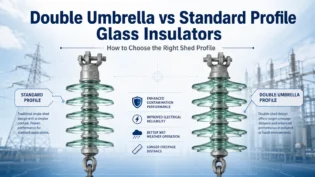
Choosing between double umbrella and standard profile glass insulators is not simply a matter of selecting the disc with the longer creepage distance. The correct choice depends on site pollution, wetting, natural cleaning, mechanical requirements, string geometry, and the applicable project standard. For engineers and B2B buyers, the real question is when shed profile materially changes expected performance and when a standard design is already suitable. IEC 60815 treats site pollution severity, profile suitability, creepage-distance correction, dimensions, installation position, and verification testing as connected parts of the selection process. Double Umbrella vs Standard Profile: Quick Selection Guide A standard profile …
View More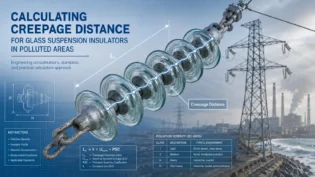
When engineers calculate creepage distance for glass suspension insulators in polluted areas, the goal is not only to match a voltage level. The real task is to confirm whether the insulator string has enough surface leakage path, dry arcing distance, spacing, mechanical strength, and profile suitability for the site pollution level. Coastal salt fog, industrial dust, desert pollution, high humidity, and low rainfall can all change the insulation requirement and increase the risk of pollution flashover. Glass suspension insulators are widely used in overhead lines, substations, railway electrification systems, and industrial power networks. Key purchasing parameters include rated voltage, mechanical …
View More
Pollution flashover of glass insulators usually occurs when surface contamination, moisture, and insufficient insulation margin combine on an overhead transmission line. For engineers, maintenance teams, and B2B buyers, the key question is not only what caused the flashover, but whether the existing glass suspension insulator can still be maintained safely or should be replaced with a more suitable pollution-resistant profile. What Causes Pollution Flashover of Glass Insulators? Pollution flashover is a surface insulation problem. Dry dust or salt deposits may not create an immediate fault, but when the surface becomes wet from fog, dew, light rain, salt mist, or high …
View More
Glass insulators in high-salt coastal areas face a different risk profile than the same products used in inland transmission lines. Salt fog, high humidity, low rainfall, and wind-driven contamination can increase surface leakage current and raise the risk of pollution flashover. For engineers, maintenance teams, EPC buyers, and utility procurement teams, the real question is not whether glass can be used near the coast, but whether the existing glass insulator profile, creepage distance, fittings, and maintenance plan still match the operating environment. Why High-Salt Coastal Areas Are Difficult for Glass Insulators Coastal transmission lines often experience repeated salt deposition. When …
View More
For polluted transmission lines, the right choice between a glass insulator vs composite insulator depends on the pollution type, moisture level, maintenance access, creepage distance, mechanical load, and replacement plan. Composite insulators often suit coastal, industrial, desert, and high-humidity areas because silicone rubber surfaces can provide hydrophobic performance and pollution resistance. Glass insulators still make sense where long-term visual inspection, modular replacement, stable outdoor performance, and known maintenance routines are important. The practical question is not “Which material is better?” It is “Which insulator is safer and more cost-effective for this line condition?” Quick Answer: Glass or Composite for Polluted …
View More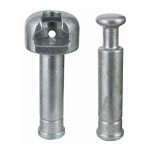
Power line hardware fittings affect how safely and efficiently an overhead line project is installed. For B2B buyers, EPC contractors, utilities, equipment manufacturers, maintenance teams, and distributors, the sourcing task is not only to buy metal parts. The real need is to match fittings with insulators, drawings, mechanical load, corrosion conditions, packaging requirements, and delivery plans. In many transmission and distribution projects, insulator end fittings connect polymer insulators to the wider line hardware system. If the fitting type, size, surface treatment, or connection method is wrong, the product may look acceptable during purchasing but fail during site assembly. A practical …
View More
 Room 1502, NO.12, Shangwu Waihuan Road, CBD, Zhengzhou, China
 +86-18937178812
 sales@gridinsulators.com


 October 8, 2026